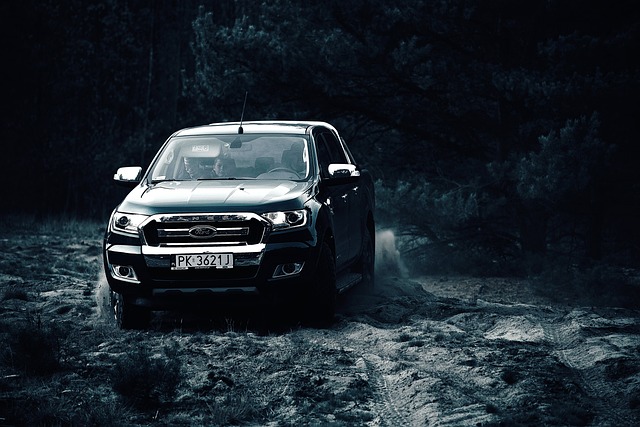
In this comprehensive guide, we delve into the world of off-road driving techniques, specifically tailored to owners and enthusiasts of 4×4 vehicles in Brownsville. We analyze various skills and strategies for navigating challenging terrains, offering valuable insights for an enhanced off-road experience while ensuring safety and vehicle longevity at an Overland 4×4-Shop-Brownsville.
Introduction:
For adventurous souls seeking to conquer rugged landscapes, mastering off-road driving techniques is essential. At the forefront of this expertise lies Overland 4×4-Shop-Brownsville, a trusted hub for all things four-wheel drive in the region. This article aims to provide an in-depth analysis of off-road driving skills, offering practical tips and knowledge that will empower drivers to tackle diverse terrains with confidence.
I. Understanding Your Vehicle: The Foundation of Off-Road Success
A. Familiarize Yourself with 4×4 Systems
Off-road driving starts with understanding your vehicle’s capabilities and limitations. Different 4×4 systems, such as part-time and full-time four-wheel drive, each have unique advantages and settings. At Overland 4×4-Shop-Brownsville, our experts can guide you in selecting the right system for various terrains.
B. Learn Vehicle Dynamics and Control
Knowing how your 4×4 responds to different inputs is crucial. Study vehicle dynamics to predict and control behavior on loose surfaces, steep slopes, and through tight turns. This understanding allows drivers to make informed decisions while navigating challenging off-road paths near Brownsville.
C. Maintenance and Preparation
Regular maintenance is vital for optimal performance. Ensure your tires are in top condition, with appropriate tread patterns for diverse terrains. Check differentials, transfer cases, and axles for proper lubrication and strength. Overland 4×4-Shop-Brownsville offers comprehensive vehicle checks to ensure your 4×4 is ready for any adventure.
II. Essential Off-Road Driving Techniques
A. Mastering Basic Skills
- Steering Control: Practice smooth, deliberate steering inputs to maintain control at high and low speeds.
- Gear Shifting: Learn when to shift gears for optimal traction, especially when ascending or descending steep slopes.
- Braking Techniques: Master controlled braking to avoid wheel spin and conserve energy during descents.
B. Advanced Terrain Handling
- Climbing Slopes: Use low gear for increased torque, and apply throttle smoothly while maintaining a steady pace.
- Descending with Control: Utilize engine braking, downshift into lower gears, and consider using the parking brake for steep drops.
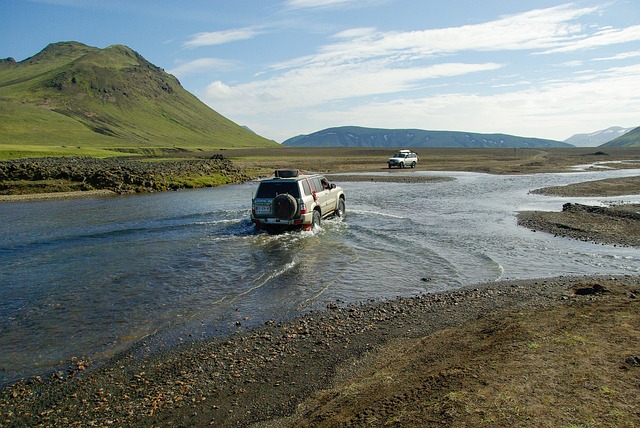
- Navigating Through Mud and Water: Go slow, avoid deep water crossings, and use a higher gear to maintain traction when wet.
C. Recovery and Safety
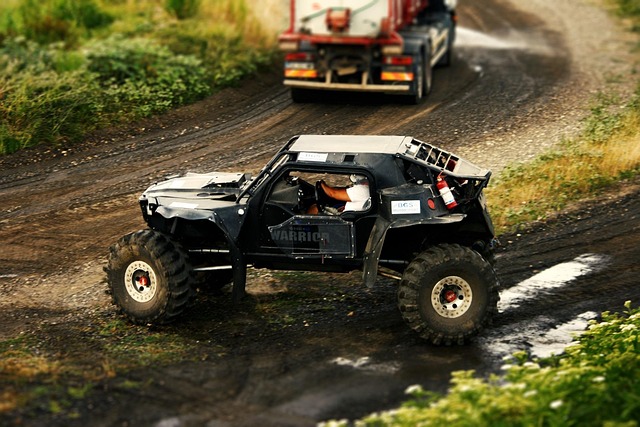
- Stuck in the Mud: Engage 4×4 low range, reduce speed, and carefully apply power to gain traction. Avoid sudden movements.
- Rollover Prevention: Keep your center of gravity low, avoid sharp turns at high speeds, and maintain control on loose surfaces.
- Safety Gear: Always wear appropriate off-road clothing, including sturdy shoes, gloves, and eye protection.
III. Navigating Diverse Terrain Challenges
A. Rocky Outcrops and Stones
- Approach with Caution: Scan the path ahead for large rocks and plan your line of travel.
- Low Speed Traversal: Creep forward at a slow, controlled speed, using low gear to maintain control.
- Rock-Crushing Tactics: Avoid direct contact with large rocks; instead, aim for smaller debris that won’t damage tires or suspension.
B. Sandy Dunes and Beach Driving
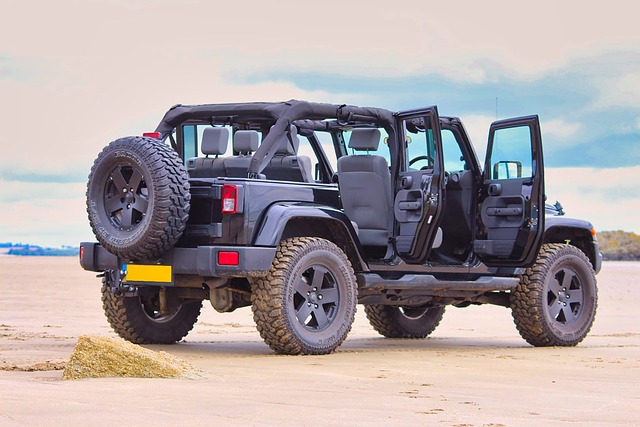
- Sand Traps: Understand the settling characteristics of sand and avoid getting stuck by maintaining speed while traversing dunes.
- Beach Speed Control: Drive at a moderate pace, as soft sand can absorb a lot of power, leading to rapid tire spin.
- Tide Awareness: Check tide times before heading to the beach; higher tides can make conditions more challenging.
C. Forest and Woodland Trails
- Tree Roots and Debris: Watch for hidden roots and debris that can trip or damage your 4×4.
- Trail Navigation: Follow marked trails, and use a GPS device for guidance in unfamiliar areas.
- Wildlife Awareness: Be mindful of wildlife; maintain a safe distance and avoid encounters with bears or other potential hazards.
IV. Conclusion: Embracing the Overland Journey
Off-road driving is an art that combines vehicle knowledge, skill, and a sense of adventure. By understanding your 4×4, practicing essential techniques, and preparing for diverse terrains, you can confidently explore remote areas near Brownsville and beyond. Remember, safety and awareness are paramount in any off-road endeavor.
Overland 4×4-Shop-Brownsville stands as a beacon for drivers seeking to unlock their vehicle’s potential. Our experts offer guidance, maintenance services, and a community of like-minded enthusiasts who share a passion for conquering the great outdoors. With the right knowledge and preparation, you’ll be ready to embark on unforgettable overland journeys, making each drive an adventure to remember.
Frequently Asked Questions:
-
Q: What are some signs that my 4×4 may not be suitable for off-road driving?
A: If your vehicle has poor ground clearance, a weak engine, or outdated suspension, it might struggle on rough terrain. Regular checks at Overland 4×4-Shop-Brownsville can help identify potential issues. -
Q: How often should I get my 4×4 serviced for off-road use?
A: Before and after each off-road trip is ideal. Regular maintenance ensures optimal performance and longevity of your vehicle’s components. -
Q: Can beginners learn off-road driving techniques?
A: Absolutely! With proper guidance, practice, and starting on easier terrains, beginners can quickly develop the skills needed for more challenging trails. -
Q: What is the best way to recover from a stuck vehicle in muddy conditions?
A: Stay calm, engage 4×4 low range, and slowly apply power while moving forward. Avoid aggressive actions; patience and gentle inputs are key to successful recovery. -
Q: Are there any specific safety measures for driving through woodlands?
A: Yes, always be aware of your surroundings, look out for fallen trees or branches, and keep a safe distance from wildlife habitats to ensure a safe off-road experience.